
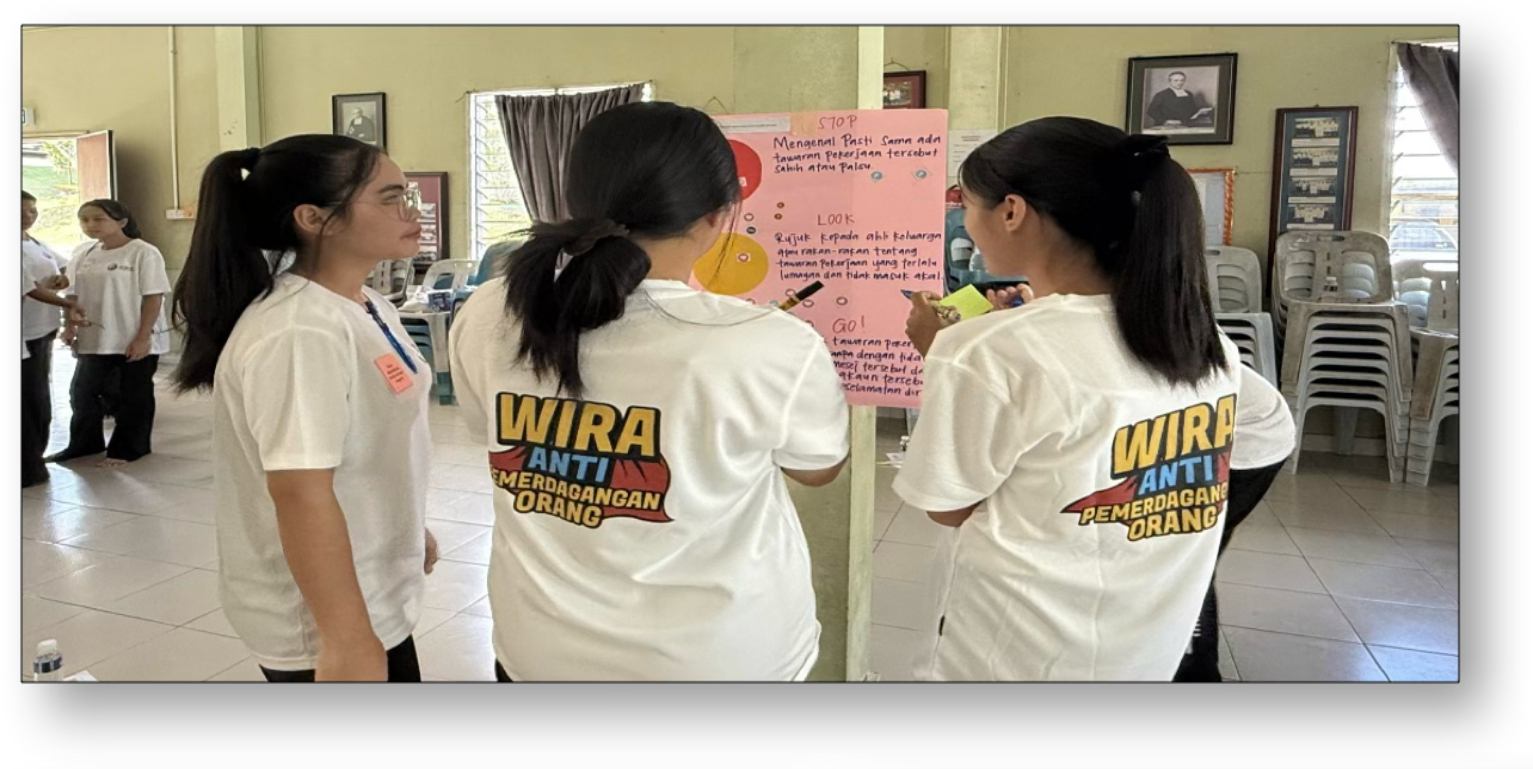
Human trafficking lurks in the shadows, preying on the most vulnerable members of society, particularly young people who are often targeted through deception, coercion, and exploitation. Global statistics indicate that human trafficking continues to rise and remains one of the world's most profitable criminal enterprises, second only to the illicit drug trade. In 2025, the United Nations Office on Drugs and Crime (UNODC) reported that trafficking networks are increasingly targeting women, children, migrants, and individuals facing economic hardship. Closer to home, Malaysia's Ministry of Home Affairs reported that in 2025, human trafficking cases continued to pose a significant challenge, highlighting the urgent need for greater awareness, prevention efforts, and protection for those most at risk.
In responding to this, Global Shepherds launched WIRA Remaja Anti Pemerdagangan Orang (Youth Heroes Against Human Trafficking), a dedicated prevention program to promote awareness and empowerment. The goal is straightforward: blow the whistle on how traffickers operate, reach high-risk youth before it's too late, and give them the real-world skills they need to protect themselves and their friends.
The groundwork began in mid-2025 across Keningau and Sandakan. We started where the youth already were, partnering with local student hostels and church community halls to set up safe, open spaces for honest conversations.
In these early sessions, we didn't just lecture; we talked openly about online grooming, red flags, and how communities can look out for one another. Sharon, one of our program facilitators, notes that what makes this program truly unique is its ability to engage teenagers with serious realities like human trafficking without overwhelming them. Because of this balanced approach, participants easily grasp the core meaning and the three technical elements of trafficking. Instead of feeling burdened, they leave enthusiastic to share what they have learned with friends who missed out. Most importantly, they understand that the message isn't a heavy burden of "you must save," but rather an empowering reminder: "you can help, notice, speak up, and influence" safely and meaningfully.
By December 2025, we took the program into local secondary schools. Over the next few months, our team worked closely with school principals, State and District Education Department and school counselling teachers to make sure our approach fit perfectly with local educational guidelines and school cultures.
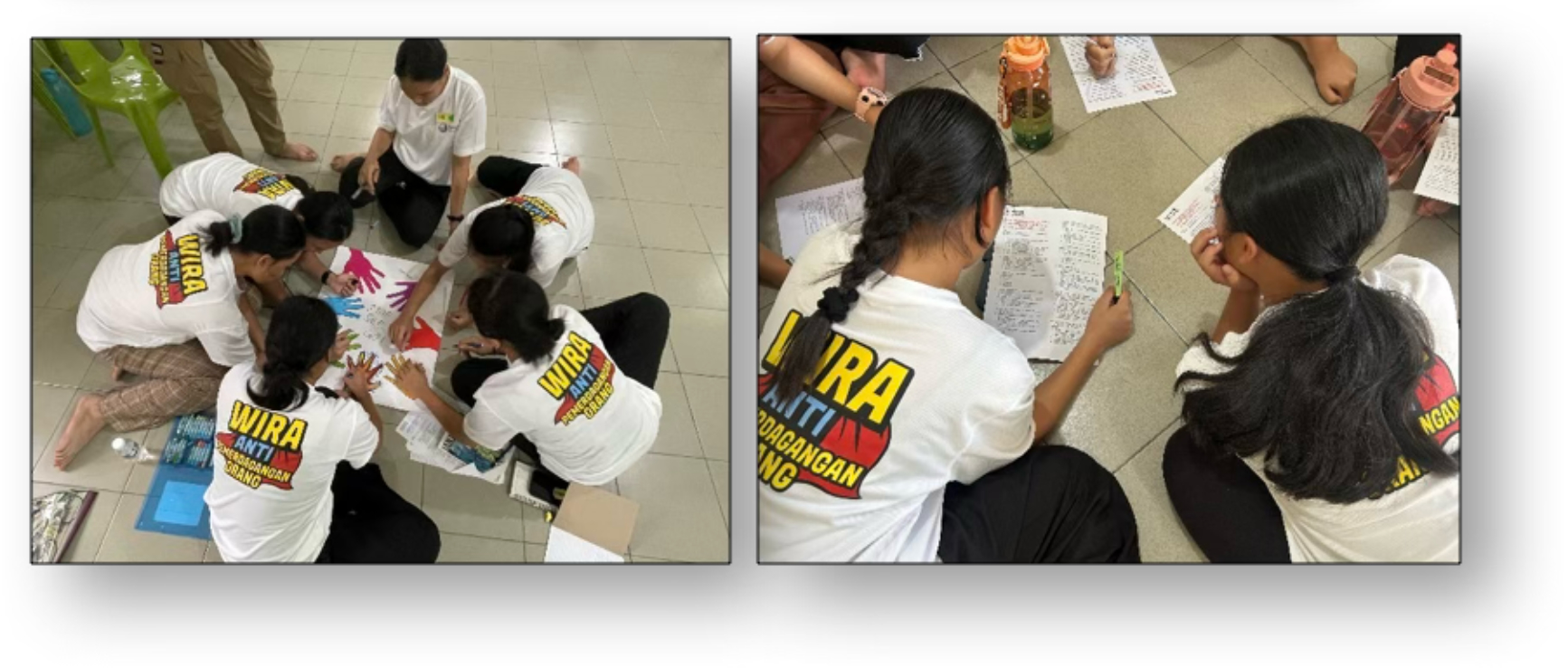
Instead of a one-size-fits-all assembly, we brought together 15 selected student leaders and their counsellors for an intensive two-day Training of Trainers workshop. We kept things highly interactive with group debates, real-life simulations, and visual tools. The students learned how to spot grooming tactics, make tough decisions under pressure, and design their own awareness campaigns.
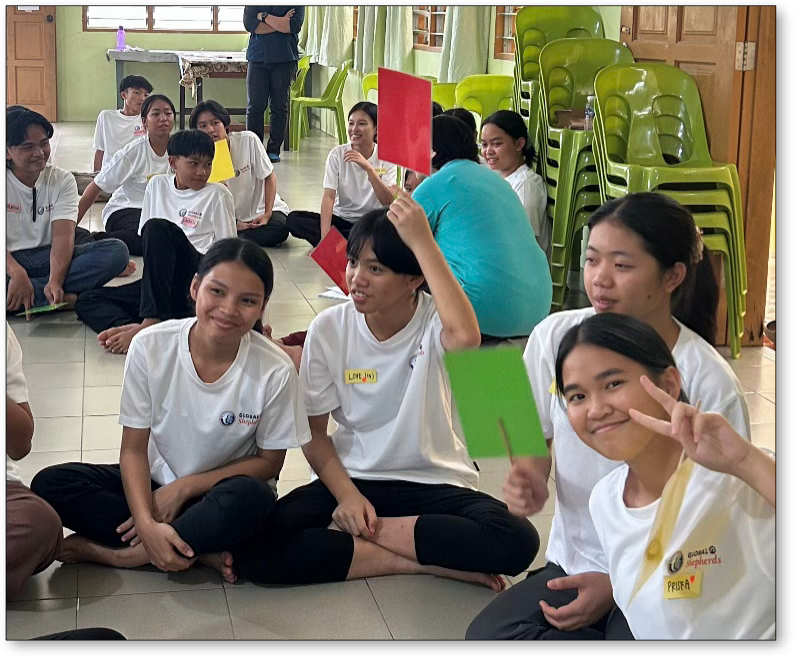
For our team, the emotional weight of these sessions was profound. Amy, another facilitator on the ground, shared how deeply moving it was to see how strongly the messages resonated with the students. Many of them expressed safety and personal concerns they had never voiced before, which really affirmed the importance of our trauma-informed facilitation. The experience has only strengthened our resolve to continue creating safe, inclusive spaces where young people feel genuinely heard and supported.
So far, 223 teenagers of whom 135 boys and 88 girls between the ages of 13 and 17 have taken part in the program. By reaching them at this critical age, we are helping them build a safety net right as they prepare to step into adulthood and the workforce.
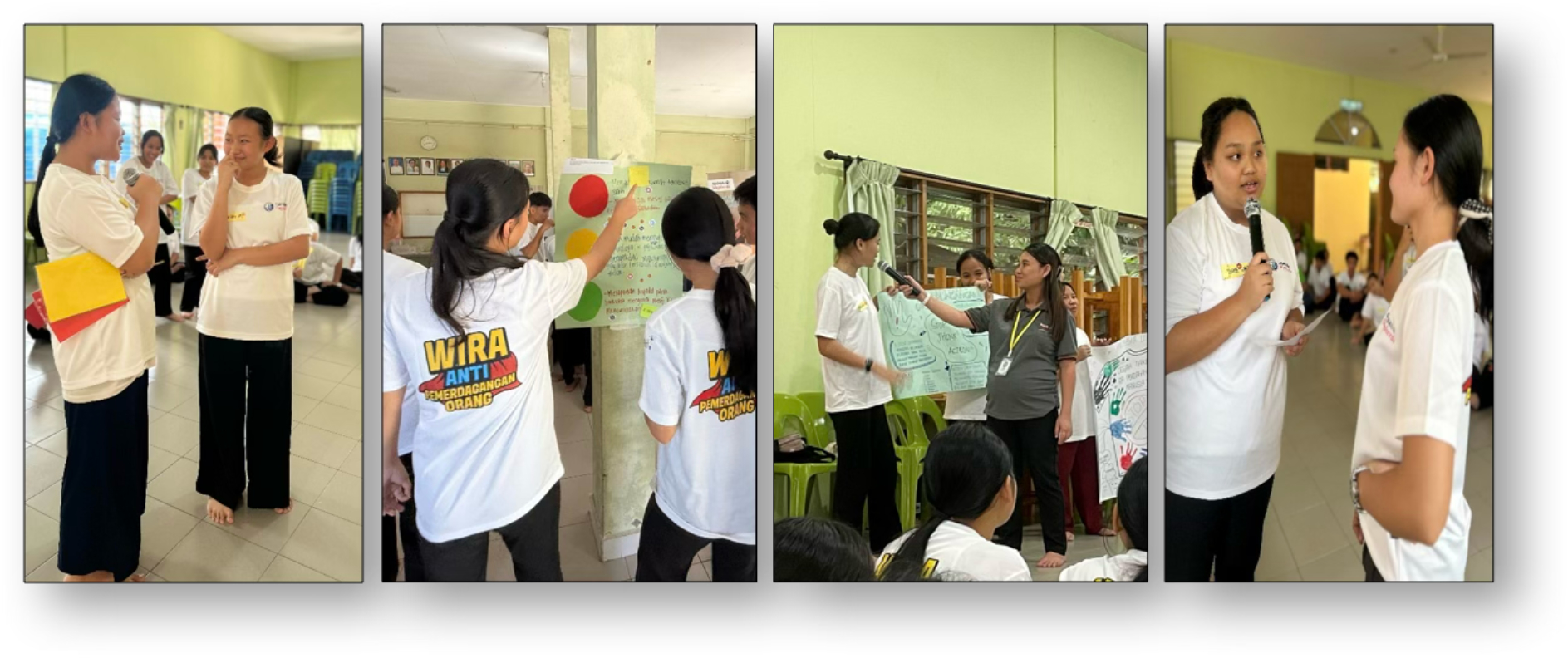
The results speak for themselves. We have seen a massive jump in how much these students know about trafficking risks, but more importantly, they are now much more confident about speaking up and reporting dangerous situations.
The momentum hasn't stopped. In the hostels, students have started creating their own posters and advocacy materials to educate their peers. In the schools, our trained WIRA Remaja have officially taken the reins, actively planning and running their own school-wide anti-trafficking campaigns.
This impact has resonated far beyond the classrooms. Global Shepherds Berhad was honoured to receive formal recognition from the Minister of Home Affairs, Yang Berhormat Datuk Seri Saifuddin Nasution, spotlighting the program's success and the vital role of youth empowerment in anti-trafficking efforts. This high-level recognition affirms what we have seen on the ground all along: investing in youth awareness is not optional, but essential in strengthening Malaysia’s national response against human trafficking. By strengthening the bond between students, teachers, and counsellors, this project has sparked a youth-led movement that will keep protecting these communities long into the future.
Written by:
Awatif Nazri, Communication cum Monitoring and Evaluation Officer
Rozie Yussally, Assistant Program Executive